
Concrete Grooving for Cow Sheds: What UK Farmers Need to Know
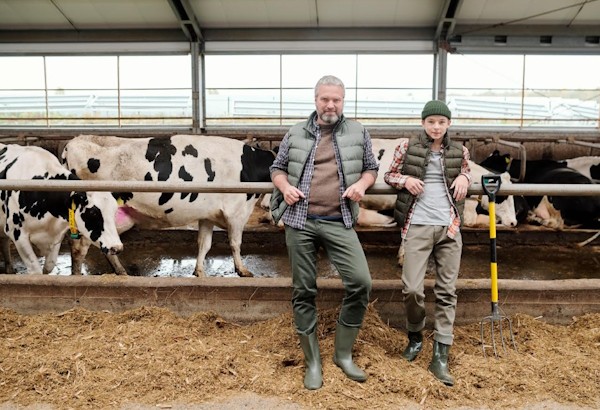
Slippery concrete floors can cause havoc in dairy and cattle sheds.
If a cow is struggling to stay upright, then trips down to the milking parlour, crossing from one feeding area to another and getting up after lying down all become dangerous. Concrete grooving is a quick and easy way of creating a sure footing for you and your animals, so it will result in a safer environment and save you money in the long run by reducing wear on your building.
Why Slippery Concrete Floors Are a Problem
Concrete is a long-lasting surface and relatively simple to keep clean, helping make it a popular flooring choice in livestock buildings. Well-worn or smooth concrete can become slippery, though, particularly when wet or contaminated with slurry, manure or other organic material.
Cattle need some traction to walk with confidence and distribute their weight evenly on the floor. When flooring is especially slick, cows can be injured from slipping and falling. What’s more, animals may be reluctant to move to and through areas where conditions are too slippery. This behaviour is troublesome for handling animals, is stressful to the animals and causes time-consuming work for your staff.
You need to be especially careful that flooring in high-traffic areas, like gathering areas at the head of the alleys leading to milking parlours, is not too worn. Cattle parade across these areas daily, and they often get moistened, which can wear away the surface, leading to decreased traction.
How Concrete Grooving Improves Grip
Concrete grooving is the process of cutting the groove pattern on existing concrete floors. The additional texture and traction gained by grooving can improve cattle footing, which in turn can increase animal comfort, performance and overall safety.
This method of texturising an existing floor provides an advantage over competing solutions in that existing concrete does not typically need to be removed to complete the process.
Groove patterns can be selected depending on different area layouts and the common usage of each area. Deciding where to use cattle, alleyways, handling pens and loading chutes will give insight into where existing concrete will need to be improved.
Better traction can reduce the chances of slipping and help cows to move with confidence around the yard. This is especially important for dairy cattle, which frequently move between housing, feeding and milking facilities in a typical farm system.
It’s an easy way for farmers to deal with slippery floors before the problem gets out of hand, but it’s also something farmers have to do in conjunction with other aspects of shed safety such as keeping floors regularly cleaned, ensuring drainage occurs and checking that concrete isn’t damaged.
Concrete Grooving and More Intensive Floor Treatments
What the existing floor is like in terms of its condition can determine what type of treatment is going to be an option. Concrete grooving is what you would do as maintenance if the surface isn’t in that bad shape structurally but needs increased traction.
But if the concrete has broken down to some extent, where you have poor condition of the surface, there is going to be a need for more than just some basic treatment to improve the surface. Basic treatment isn’t going to be enough to create an appropriate surface condition, so in that case, there is scarification.
The difference is important because every slippery floor situation is different and requires a different approach. Solutions for a floor in relatively good shape may be as easy as sectioning it off in a conventional manner, while more severely abused and/or deteriorated floors may need an inspection to determine the extent of the problem.
This can help to determine whether the problem can be remedied with grooving only or if there needs to be more extensive work done. This can prevent the fixing of the “visible” issue without getting to the root of the problem.
When Should Farmers Consider Concrete Grooving?
Possible signs that dairy cows may require concrete grooving include:
• Cows are skidding or appear to be unsteady on their feet.
• Shiny or slippery tracks appear in busy laneways, yards or collecting pens.
• Existing grooves/ripples are worn and give little or no grip
• Floors when wet or washed become very slippery.
• Animals baulk or refuse to move in certain areas.
It’s not a good enough reason to wait for a fall before taking action. By then, it’s too late. A more sensible approach is to try to prevent the problem from occurring in the first place.
Replacing the entire floor surface tends to be the solution when grooves get to this stage.
For a proper assessment, call in the experts; Vermot Grooving is a UK-based specialist in concrete grooving and can guide you through the most suitable options for your shed floors.
Keeping Cow Shed Floors Safe and Serviceable
Concrete grooving is a vital tool for maintaining safe, efficient cattle buildings, especially where the surface of the concrete has deteriorated, with farmers able to make a good floor better by improving traction where it is most useful. It will not replace the need for regular inspections, good drainage and careful cleaning, and so will not risk turning unsuitable surfaces into instant cattle-housing solutions. But combined with those factors, and regular and timely concrete maintenance, it can help farmers maintain workable, long-life shed floors to cope with the rigorous demands of dairy and cattle farming.